Winter weather events are becoming more frequent and intense across many regions of the world. From heavy snowfall to freezing rain and ice storms, these events can disrupt daily life, damage infrastructure, and pose serious safety risks. Today, many regions are experiencing a winter storm warning, signaling the immediate threat of dangerous weather conditions. Understanding these alerts and preparing accordingly is essential for individuals, families, and communities.
This section provides a detailed explanation of winter storm alerts, regional impacts, forecasting tools, and preparedness strategies, using verified weather research and official forecasting practices.
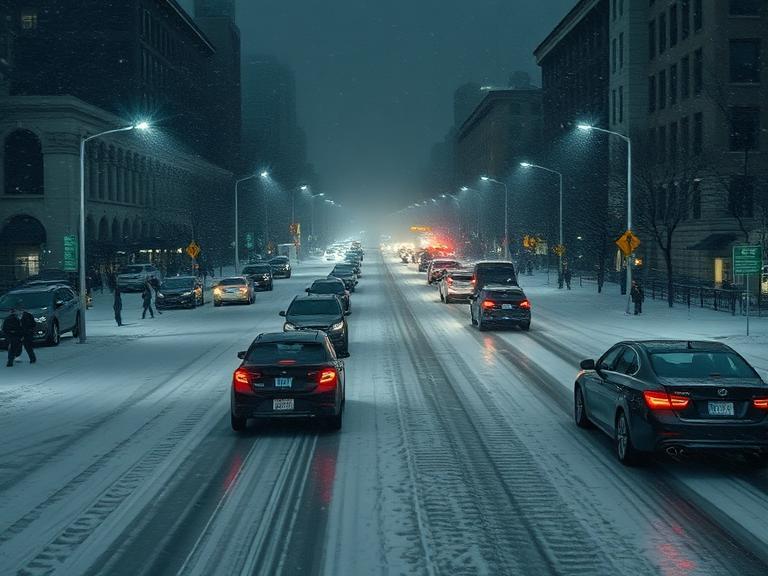
What Does a Winter Storm Warning Mean?
A winter reports is issued when severe winter conditions are occurring or are expected within a short time frame. These conditions may include heavy snowfall, blizzard-like winds, sleet, or an ice storm that can severely limit visibility and make travel extremely hazardous.
Warnings are issued by official weather authorities to encourage immediate action. During such warnings, residents are advised to stay indoors, avoid unnecessary travel, and follow local emergency instructions.
In contrast, a winter weather advisory indicates that winter conditions are expected but are less severe than those requiring a warning. Many people search for winter weather advisory vs warning because the difference directly affects decision-making. While advisories suggest caution, warnings demand urgent preparedness.
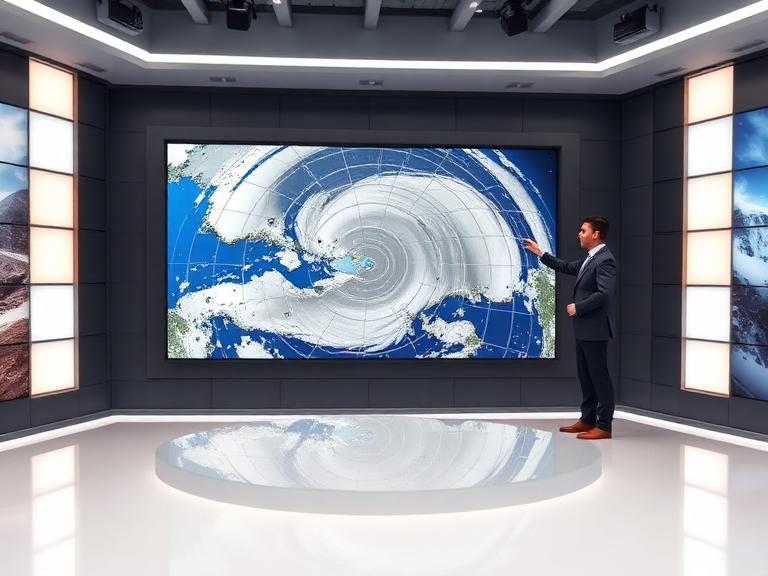
Winter Weather Advisory vs Warning: Key Differences Explained
Understanding winter weather advisory vs warning helps people respond appropriately:
- Winter Weather Advisory
Issued for conditions like light snow, minor ice accumulation, or freezing drizzle. These events can still be dangerous but are usually manageable with caution. - Winter Storm Warning
Issued when conditions pose a significant threat to life and property. This includes intense snowstorms, widespread ice storms, or rapidly falling temperatures.
If you see a winter weather advisory near me, it is wise to monitor updates closely, limit travel, and prepare essential supplies.
Using Winter Storm Watch Maps and Radar Tools
A winter storm map is an important forecasting tool that shows areas where severe winter weather may develop within the next 24 to 48 hours. These maps help residents prepare in advance before conditions worsen.
Cities such as those under a winter storm watch Chicago, winter storm watch NY, or winter storm watch NJ rely heavily on these forecasts due to dense populations and heavy traffic networks. Early warnings allow city officials to deploy road treatment crews and emergency services in advance.
In addition to maps, live radar systems provide real-time tracking of snow bands, ice accumulation, and storm movement. Monitoring radar data improves situational awareness during fast-changing weather events.
Regional Winter Storm Impacts Across the United States
Different regions experience winter storms in different ways:
- Southern States
Areas under a winter storm in Georgia often face ice storms rather than heavy snow. Ice accumulation can bring down power lines, close roads, and cause long-term outages. - Midwestern and Northeastern States
Cities under winter storm watch Chicago, winter storm watch NY, and winter storm watch NJ frequently deal with large snow totals and freezing temperatures, disrupting transportation systems. - Weather Forecasting and Planning
Staying updated with official weather reports, a 10 day forecast, and local emergency announcements helps communities plan effectively.
Winter Storms Beyond North America
Interest in winter storm in Pakistan reflects how winter weather patterns are changing globally. Regions that historically experienced mild winters are now facing colder temperatures, snowfall, and icy conditions. This shift highlights the importance of global weather monitoring and preparedness.
Using international weather platforms and region-specific forecasting apps ensures accurate local updates regardless of geographic location.
Technology, Weather Apps, and Public Safety
Digital tools now play a vital role in winter preparedness. A weather app provides real-time alerts, location-based warnings, and access to radar data. These apps help users stay informed about approaching winter storms, advisories, and warnings.
Combining app alerts with reliable weather sources ensures faster response times during emergencies.
Table of Contents
Preparing for Winter Storms Effectively
Preparation reduces risk during severe winter weather. When facing winter storms, residents should:
- Monitor official weather updates regularly
- Review the 10 day forecast to anticipate long-term conditions
- Prepare emergency kits with food, water, and medical supplies
- Avoid travel during a winter storm.
- Follow guidance issued during a winter weather advisory near you.
Early preparation is especially important in regions prone to ice storms and power outages.

Staying Informed Saves Lives
Whether monitoring a winter storm, responding to a winter storm, or comparing winter weather advisory vs warning, informed decisions can significantly reduce risks. As winter storms continue to impact communities worldwide, access to accurate weather, reliable radar tools, and timely alerts is more important than ever.
Understanding these alerts and preparing in advance ensures safety, resilience, and continuity during extreme winter conditions.
At the end this is the best that we came to know about the storm earlier then it happened and if you are interested in more content related to climate change then you must visit www.healthyearth.life. You can also visit the weather update websites like www.weatherreport.com.
FAQs
1. What is the winter storm warning?
A winter storm warning means severe winter weather is happening or expected very soon. This can include heavy snowfall, ice storms, or dangerous freezing conditions that can affect travel, power supply, and daily life. People are advised to stay indoors and follow local weather updates.
2. What is the difference between a winter weather advisory and a storm warning?
A winter weather advisory is issued when winter conditions may cause minor disruptions, such as light snow or ice. A storm warning is more serious and indicates heavy snow or ice that can create dangerous travel and safety risks. Warnings require immediate preparation and caution.
3. How can I check a winter storm watch map?
You can view a winter storm watch map through trusted weather websites, mobile weather apps, or local meteorological services. These maps show areas that may experience severe winter storms within the next 24 to 48 hours and help people prepare in advance.
4. What should I do during a winter storm warning?
During a winter storm warning, it is important to stay indoors, avoid unnecessary travel, keep emergency supplies ready, and monitor weather alerts. Make sure your phone is charged, have food and water available, and check on elderly family members if possible.
5. Is a winter storm watch issued in Pakistan?
Winter storm watches in Pakistan are usually issued for northern regions such as Gilgit-Baltistan and parts of Khyber Pakhtunkhwa. These alerts warn about heavy snowfall, extreme cold, or icy conditions that can affect roads and daily activities.