
Plastic pollution and global warming are both existential risks to our planet—so what do they have in common with one another? Are they discrete crises, or intrinsically linked phenomena that feed into each other? This blog explores academic consensus, emerging research, and real-world events to present a balanced, evidence-driven evaluation. This blog will greatly improve your knowledge of what action to take about pollution vs climate change.

Recent Trends & Expert Analysis (2025)
Plastic’s hidden role in the climate
A May 2025 Plastics & Climate Project report finds that plastics can be warming the planet more than we know. Aside from CO₂ released at the time of manufacture, micro plastics in the ocean and on land disrupt carbon sinks—hinder plankton growth and altering soil microbes, potentially reducing the planet’s natural cooling ability. We have been discussing this Pollution vs climate change topics but there’s just no solution.
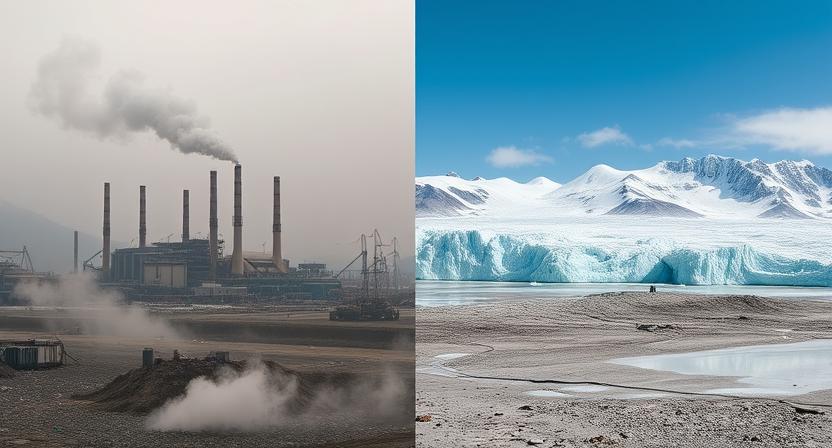
Frontiers review and World Resources Institute confirm plastics—through lifecycle emissions, carbon sink interference, and radiative impacts—are a large but untapped source of climate change.
Twin Planetary Crises
The WEF’s 2025 Global Risks Report included pollution—plastic waste not being excluded—among the world’s six risks for two years running, in addition to climate change and biodiversity loss.
Swiss Re’s June 2025 report cautions that not only do fossil fuels cause climate change and heat waves, but they are also the primary feedstock for plastic—a triple threat with health, environmental, economic, and insurance-sector consequences.
1. Effects on Ecosystems & Carbon Cycles
Ocean disturbance: Micro plastics interfere with the plankton, a key carbon sink that creates “marine snow.” Up to 5% of deep-sea marine snow can consist of plastic, and it can reduce CO₂ sequestration.
Terrestrial ecosystems: Soil micro plastics impact plant photosynthesis and root elongation, reducing crop yields and CO₂ sequestration in soil.
Radiative effects: Aerosol plastic particles in the atmosphere and transported on snow are able to alter albedo (reflectance) and cloud cover, with impacts under research.
Expert opinion: We can’t yet measure the total degree of plastic’s destabilization of the Earth system, but mounting evidence indicates it’s large and growing.
2. Human Health & Biodiversity
Plastic health risks: Micro plastics have been found in blood, lungs, even brains, and linked to fertility issues and impaired cognition.

Plasticiser: A newly discovered illness in seabirds due to long-term plastic ingestion highlights prolonged wildlife damage.
Double whammy for coral reefs: While climate heat waves are causing coral bleaching, plastic pollution erodes reefs. The ongoing 2023–2025 coral-bleaching event affects 84% of global reefs. Plastic is at least a top-three cause of marine ecosystem failure, according to surveys of ocean experts.
3. Scale & Length of Each Crisis
Climate change impacts the Earth’s climate system and can initiate irreversible tipping points such as ice sheet melting and AMOC shutdown—impacts extending centuries or millennia.
Plastic pollution is now ubiquitous: 75–199 Mt in seas, discharging 19–23Mt of plastic annually into water bodies. Plastics degrade slowly, taking centuries.
While seeming local, plastic’s persistence cuts across all ecosystems, from mountain tops to ocean bottoms. A UN treaty to actually outlaw plastic pollution by 2050 will be transformative—if ratified and implemented.
4. Policy & Global Action
Climate change: Global frameworks include the Paris Agreement, national net-zero goals, and carbon pricing.
Plastic pollution: UN global plastic treaty is being negotiated, whose objective is to cover lifecycle—from manufacturing to disposal.

Policy integration: The specialists argue climate policies must be brought together to include plastic reduction, considering plastic is a hidden fossil-fuel byproduct.
Good news: Policy agenda convergence can build better, multi-benefit climate and pollution solutions.
5. Current Events
World Environment Day 2025 put plastic in the limelight: social media campaigns, global events, and UNEP called for circular economy actions.
Fiji is still being ravaged by the burning of plastic; its people are clamoring for the global agreement.
US political opposition: US former President Trump reversed plastic straw prohibitions in April 2025, demonstrating opposition from influential industry forces.
Marine biodiversity survey (Thiruvananthapuram, June, 2025) made ominous forecasts: ~5% of ocean catch now contains plastic—and is also under threat from climate-driven warming Indian Ocean waters.
6. Which Crisis Is “Worse” (Pollution vs climate change)?
The question is not “which is worse”—both crises significantly endanger planetary health, but their scales are different:
Climate change is a global, systemic problem with long-lasting, permanent consequences.
Plastic pollution is a speeding, widespread menace with far-reaching consequences on climate, ecosystems, and health.
In fact, to resolve one without the other is to compromise our defense. Plastics and carbon both have fossil-fuel origins; resolving one helps the other( Pollution vs Climate change).
Taking Action: What You Can Do Now
1. Reduce plastic use: refuse single-use plastics and increase recycling.
2. Back comprehensive policies: plastic treaty and net-zero transition advocacy.
3. Foster circular economy: choose products made from recycled material and encourage up cycling innovations.
4. Make your voice heard: urge businesses, governments, and communities to address these crises together.
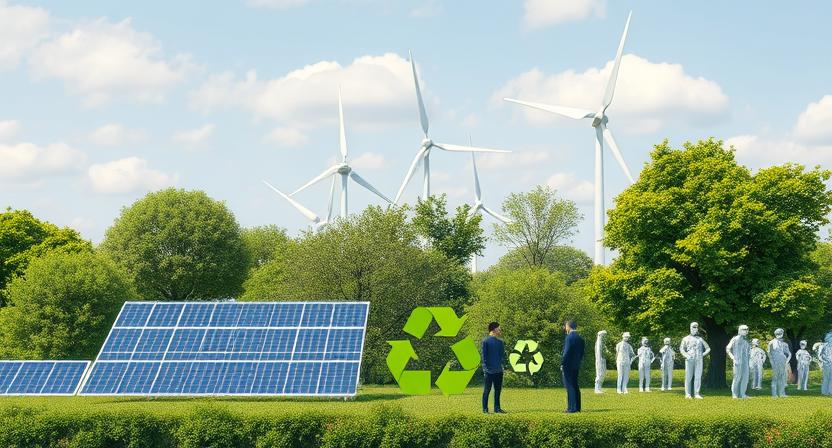
It’s time to decide now:
Climate change and plastic pollution cannot be viewed as two separate fronts. They are interlinked crises with shared drivers, effects, and solutions. Plastic production, and decreasing plastic pollution, directly reduce greenhouse gas emissions, save carbon sinks, and safeguard ecosystems. Finally, not all crises can wait. The stakes are too great and time is too precious.
FAQs
1. How do you distinguish between pollution and climate change?
Pollution is the emission of dangerous chemicals into waters, atmospheres, and soil, whereas the climate change is the gradual heating of the Earth because of the greenhouse emissions.
2. Is it possible to battle pollution and global warming simultaneously?
Indeed, transitioning to clean energy, waste reduction, forest restoration, and lowering plastic consumption addresses both issues simultaneously.
3. Is pollution more destructive compared with climatic change?
Both of them are severe but climate change has broader and long-term implications and pollution has direct implications for the environment and health.
4. By what mechanisms does pollution lead to climatic change?
Air pollution, especially the greenhouse gases carbon dioxide, traps the atmosphere and hastens the rate of global warming.
5. What are the main effects of pollution today?
Pollution results in breathing disorders, filthy waters, land degradation, and loss of biological diversity and directly impacts millions of people each year.
Table of Contents
Did you enjoy my article Pollution vs Climate change. You might also be interested in the following article:
Climate change dangerous future of destruction