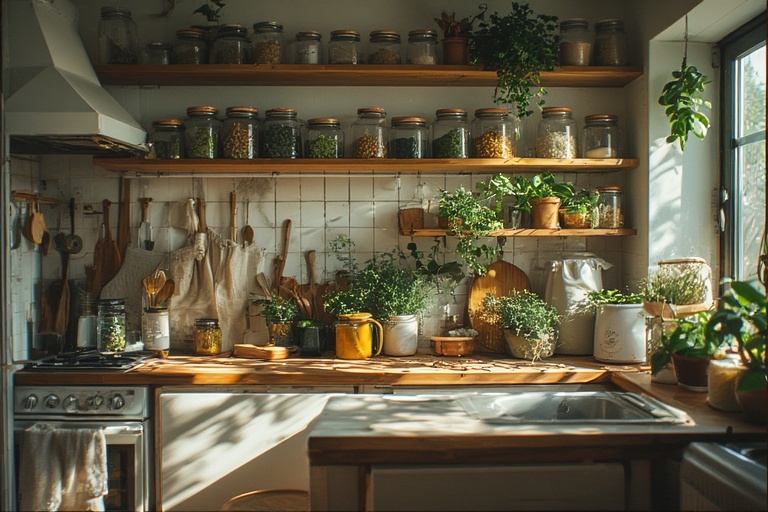

Sustainability starts in your own home today—and where better to start than in your kitchen? Your kitchen is where you produce most of your home waste, plastic use, and energy consumption. These kitchen swaps will really help you to make you kichen more eco friendly.
The good news is that you don’t have to rip your whole house apart to make a difference. A few easy adjustments can have you more living sustainably, wasting less, and even saving you money. Thses kitchen swaps will surely benefit you in many wats possible.

Let’s discover 10 simple and efficient alternatives to help you green your kitchen in 2025.
1. Don’t use Plastic Bottles
It might seem convenient to purchase bottled water, but it generates a huge amount of plastic trash in the long run. A faucet-mounted filter or a counter top purifier is a superb, eco-friendly option.
Add a refillable stainless steel water bottle, and you’ve just saved yourself hundreds of plastic water bottles a year. It’s cleaner, more affordable, and a whole lot kinder to the environment.This kitchen swaps can surely safe your life from platic diseases.
2. Substitute Paper Towels with Reusables
Paper towels are a one-time convenience with long-term environmental impact. Instead, use washable cloth towels or bamboo towels. These are reusable and will endure so much longer, are easy to clean, and can be used to dry hands, clean up spills, and more.
Making this single alteration will save you money and significantly reduce your kitchen waste.
3. Replace Plastic Wrap with Green Storage
Plastic wrap may be convenient for leftovers, but it’s wasteful and not recyclable. Instead, use beeswax wraps, silicone stretch lids, or glass containers.
Beeswax wraps are antibacterial and biodegradable. Glass containers are ideal for storing, reheating, and keeping food in order. These options keep your food fresh without the shame to the environment.
4. Upgrade Your Cookware
Non-stick Teflon pans are handy, but they deteriorate readily and release toxic chemicals. Substitute them with stainless steel or cast iron. Cast iron skillets, if seasoned well, are non-stick and will last for centuries. Stainless steel is strong, clean up easily, and toxin-free—your kitchen will be healthier and greener. (Best Kitchen Swaps)
5. Use Natural DIY Cleaners
Commercial cleaners are packaged in plastic containing toxic chemicals. It is a healthier and more environmentally friendly alternative to use simple ingredients such as vinegar, lemon, and baking soda when making your own cleaner.
Homemade cleaners are effective enough for daily spills and can be decanted in glass spray bottles to minimize the use of plastic.
6. Buy in Bulk and Store Properly
Packaging waste in the kitchen piles up quickly. Buying staples like rice, beans, flour, and spices in bulk reduces waste and saves you money. Store your staples in reusable containers or jars to protect them and keep them clean.
Buying in bulk also represents a more minimalist, zero-waste ethic and reduces shopping trips.

7. Begin Composting Food Scraps
Food scraps constitute a massive mountain of household waste—and much of it winds up in landfills.
Having a small kitchen compost container can convert peels, scraps, and coffee grounds into garden soil or plant food. It’s an excellent means of curbing methane emissions and helping to create a healthier environment from your own counter.
8. Choose Energy-Efficient Appliances
Your household appliances may be quietly raising your bills and carbon footprint. Switching to Energy Star-approved refrigerators, ovens, and dishwashers can significantly lower your energy and water consumption. Though these appliances may cost you a little more to purchase, they pay themselves off in the form of energy savings and allow you to lower household emissions.
9. Use Your Dishwasher the Smart Way
To my surprise, washing dishes with a dishwasher is usually more eco-friendly than hand washing dishes—if your dishwasher does have an eco-mode, that is. Always fill them to the brim and never pre-rinse to be most effective.
New dishwashers are energy and water efficient, so they’re a more intelligent and environmentally friendly option for your daily life.
10. Shop Seasonal and Local
What you buy comes with a carbon price tag too. Imported and out-of-season foods have traveled thousands of miles before you’ve even taken a bite.
Locally produced, seasonal fruits and vegetables keep local farmers in business, reduce transportation pollution, and provide you with fresher and superior-tasting food.
Begin this green habit at farmers’ markets and local grocery stores

Little Changes, Big Impacts
You don’t need to overhaul your whole kitchen in an attempt to live more sustainably. These 10 simple swaps can make a big impact—not just on the planet, but on your health and your bank account, too. Every small change adds up, saving energy, reducing waste, and making you more mindful of your habits.
In 2025, sustainable living has never been easier. With a few clever tweaks, your kitchen can be a haven of sustainability, efficiency, and inspiration. (Kitchen swaps that matter)
Begin small, be consistent, and see the good effect multiply—one replacement at a time.
Table of Contents
Kitchen swaps
Well, if you have been reading my blogs then you must know that at the end of every blog i give you another realated blog to read. In this blog you read how to make your kitchen eco-friendly now read the blog where you can have some very beneficial plants in your room to make your room eco-friendly too. Top 5 Indoor Plants That Purify Indoor Air (NASA-Approved)



Pingback: 5 Effective Indoor Plants That Purifies Air (NASA-Approved)